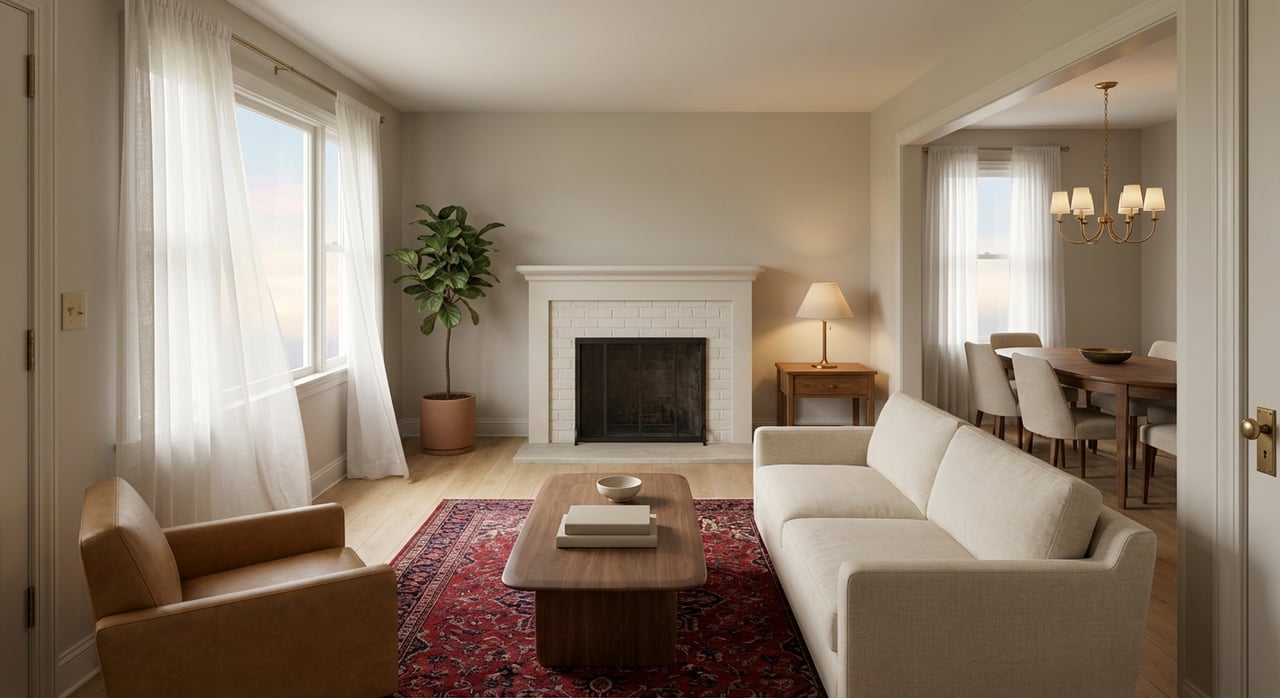
Preparing To Sell An Old Town Home With Concierge Support
February 19, 2026
February 19, 2026
Selling a character-filled Old Town home can feel like juggling history, timelines, and dozens of to-dos at once. You want top dollar and a smooth process, but you also want to protect the charm that makes your place special. With concierge support, you can prep, stage, and launch without the upfront strain, while staying aligned with Old Town’s historic rules. Here is a clear plan that shows you how to get from decision to “just listed,” with realistic timelines, costs, and marketing that speaks to Old Town buyers. Let’s dive in.
Old Town buyers often value walkability, waterfront access, and authentic historic detail. Highlighting those strengths takes thoughtful preparation, polished staging, and standout photography. A concierge program can make that easier.
With a service like Compass Concierge, approved pre-list costs are fronted and repaid at closing. That can reduce your out-of-pocket spend and help you move faster. It does not skip required approvals though. If your plan includes exterior changes, expect to follow Old Town’s preservation process before work begins.
Meet with your listing agent to set goals, confirm if concierge funding is a fit, and define a focused scope. Prioritize safety, system function, and the high-visibility cosmetic wins that influence buyers most.
Confirm if your property is within the Old & Historic Alexandria District and whether proposed exterior work needs a Certificate of Appropriateness. The City’s Preservation team can guide you on what requires administrative approval versus a public hearing.
Many routine exterior items can receive staff-level administrative approval in under five business days. Changes that require a public Board of Architectural Review hearing follow a set calendar, with applications typically due about 30 days before the meeting. Build in 4 to 8 or more weeks for cases that need full review, plus any building permits after approval.
Book your stager as the finishing work wraps. The NAR 2025 home staging report notes a median staging service cost of about $1,500 and finds staging often helps reduce days on market. Focus on the living room, kitchen, and the primary bedroom to make the clearest impact.
Once the home is styled and spotless, bring in your photographer. Many pros turn around edited photos and tours within 24 to 72 hours. Bundled packages that include photos, a 3D tour, and a floor plan can be cost effective, according to industry guides like this pricing breakdown.
Every house is different, but these common projects deliver strong visual returns. Always obtain local quotes before you set your budget.
If your home sits in the Old & Historic Alexandria District, new construction and exterior changes visible from a public right-of-way typically need approval. Some items are eligible for staff-level administrative approval, while others go to a public hearing. Start with the City’s Preservation team before you begin exterior work.
Virginia uses a standardized Residential Property Disclosure Statement. Review the state’s guidance on Residential Property Disclosures and provide the form early. For homes built before 1978, federal law requires lead-based paint disclosures. Share the EPA pamphlet and allow buyers a 10-day window to test, as outlined by the EPA’s lead information.
Federal historic rehabilitation credits generally apply to income-producing properties, not owner-occupied primary residences. Virginia also operates a state program with different rules. If you are considering a major certified rehab, talk with a specialist and the Virginia Department of Historic Resources early. Learn more about the state program through Virginia DHR.
Tell the story of life in Old Town. Showcase proximity to King Street, the waterfront, and weekend favorites like the farmers’ market. Pair that with close-ups of original mantels, casings, built-ins, and refinished hardwoods. Include a concise home history if you have it, with build year and any documented renovations.
Photo priorities should include bright interior photography, a clear 2D floor plan, and a 3D tour to reach out-of-area buyers. Twilight exteriors and, where appropriate, drone context can help. Your concierge prep creates the canvas. Staging and fresh finishes allow your images to shine the moment buyers scroll.
If your property is near the river, confirm flood zone status and insurance needs before listing. Share known information with buyers and direct them to reliable resources. The City’s flood page is a good starting point for local guidance on mitigation and insurance programs. See Alexandria’s flooding and drainage resources.
Ready to make your Old Town sale seamless? Connect with Joan Shannon for a tailored plan, concierge support, and a market-tested launch strategy.
Stay up to date on the latest real estate trends.
Buying or selling a home is a big step, but you don’t have to do it alone! We’re here to answer your questions, guide you through the process, and make sure you feel confident every step of the way.