Buying a historic Old Town home is exciting, but its paper trail can be older than the brick itself. If you are wondering how to protect your purchase from past mistakes or missing records, you are not alone. Title insurance is a simple tool that can shield you from costly surprises. In this guide, you will learn what title insurance covers in Virginia, why Old Town properties deserve extra care, which endorsements to consider, and the key steps to take before closing. Let’s dive in.
Why Old Town titles are unique
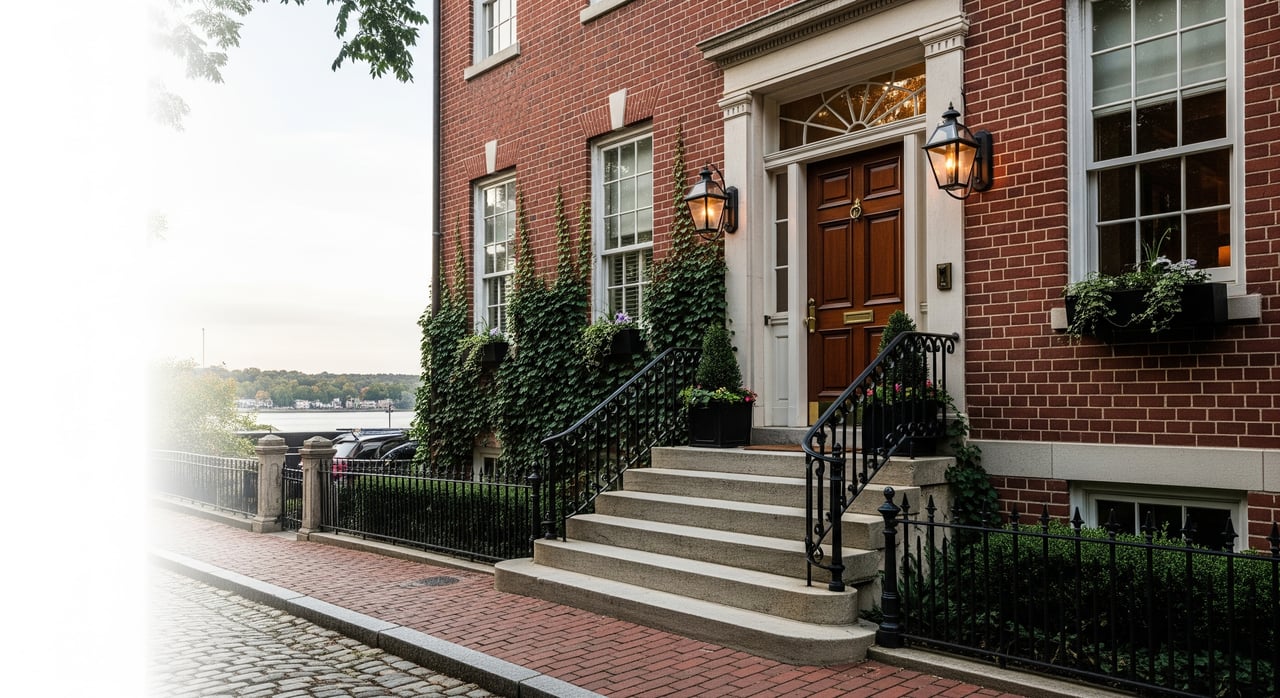
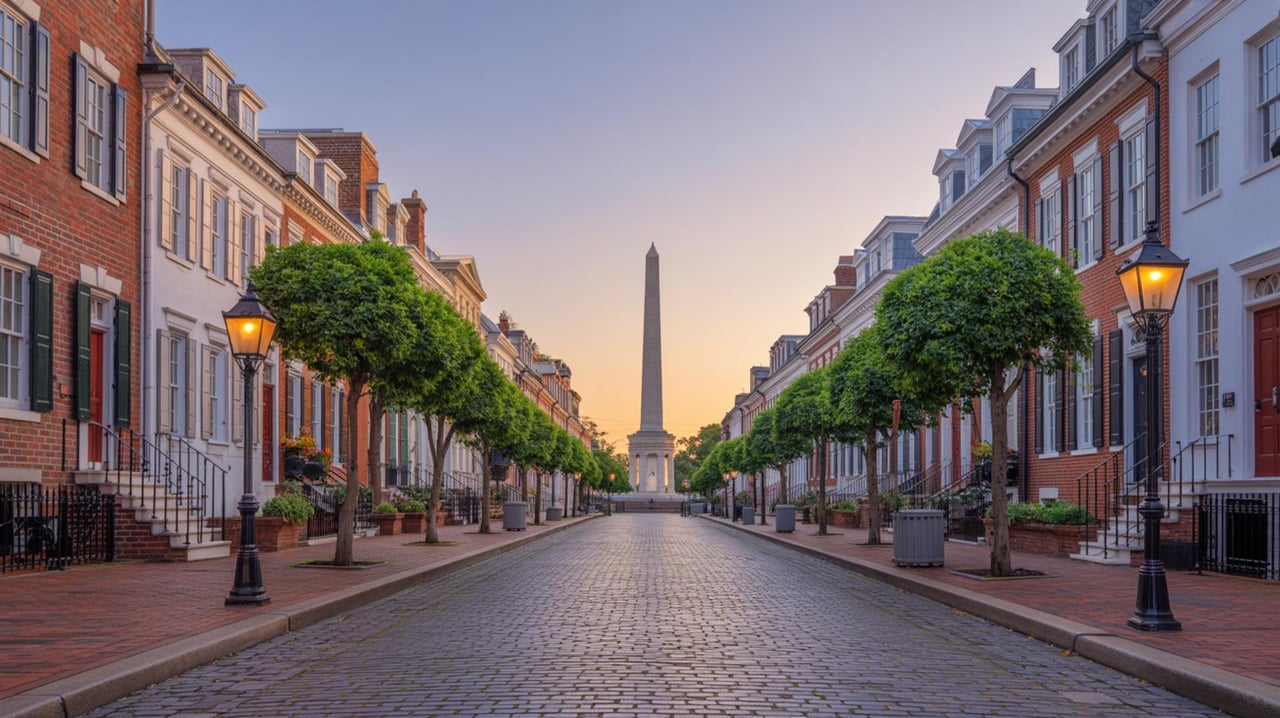
Old Town’s charm comes with a long history of ownership. Many properties trace back to the 18th and 19th centuries, which can mean old deeds with vague descriptions and early recording practices. That history increases the chance of latent issues, such as missing heirs or improperly executed documents.
Narrow rowhouses and townhomes often involve shared walls and tight lots. You may see party wall obligations, historic or unrecorded easements for alley access, or small encroachments like stoops and bay windows. Over time, some alleys were vacated or abandoned, which can raise questions about access and utility rights.
Lots that were combined or split over the decades may lack modern plats. Boundaries can be unclear, and neighbors may have long-standing use rights, such as a driveway or garden edging into the next lot. These factors make careful title work, and the right coverage, especially important in Old Town.
What title insurance covers
Title insurance protects you from loss caused by defects in the title that existed before your policy date. It does two main things: it pays to defend your title in court when a covered claim arises, and it pays covered losses up to the policy limit.
You will see two kinds of policies at closing:
- Lender’s policy. Protects the lender’s loan amount. Most lenders require it.
- Owner’s policy. Protects your equity and ownership. It is optional, paid once at closing, and commonly recommended.
A standard owner’s policy typically covers recorded defects, forgery, errors in public records, certain issues with marriages or divorces, and undisclosed heirs, as long as the problems existed before your policy date. It does not cover future events or issues you create after closing.
How the process works in Virginia
Your title company or closing attorney will order a title search and examination. The result is a preliminary title report, often called a commitment. The commitment lists exceptions, which are items not covered by the standard policy unless removed or specifically insured.
Before closing, the title company works to resolve curable defects. That can include obtaining lien releases, payoff statements, or curative documents. Anything that cannot be cured is disclosed and may remain as an exception.
At closing, the lender’s policy is issued, and you can purchase an owner’s policy. If a covered claim later surfaces, the insurer is obligated to defend and, if necessary, pay according to the policy terms.
What standard policies do not cover
A standard owner’s policy does not cover everything. Common gaps include:
- Survey and boundary issues, unless you add a survey-related endorsement.
- Zoning or building code compliance. Some zoning endorsements exist, but they are narrow.
- Condemnation or eminent domain actions that occur after the policy date.
- Rights or claims not recorded in public records, unless you add an endorsement that insures them.
- Issues that arise after your policy date.
Endorsements can fill some of these gaps for an added cost.
Endorsements to consider in Old Town
Endorsements expand coverage to match the property’s risks. Availability and cost vary by insurer and by the specifics of your home.
- Survey or site endorsement. Adds protection for certain encroachments, boundary conflicts, and access, usually when a current survey is provided.
- Access or right-of-way endorsement. Insures that your property has vehicular and pedestrian access from a public road, important if alleys or vacated streets are involved.
- Restrictive covenants or HOA endorsement. Offers coverage in some situations if covenants affect your property or if there are unknown violations.
- Zoning endorsement, limited. Confirms certain permitted uses as of the policy date, but is not a substitute for a zoning opinion or permit review.
- Mechanic’s lien endorsement. Helps protect against certain unrecorded construction claims that may later attach to title.
- Plat endorsement. Ties the legal description to a recorded plat and can protect against certain discrepancies.
Your step-by-step checklist
Before you write an offer
- Ask the listing agent what local custom is for paying the owner’s policy premium in Old Town. Customs vary and are negotiable.
- Request any known title information, including the most recent survey or plat and disclosures about boundaries, liens, or easements.
- Confirm with your lender that a lender’s policy will be required and ask about any survey expectations.
During contract and title commitment
- Request a copy of the preliminary title commitment as soon as it is available.
- Review Schedule B exceptions. Note any recorded easements, party wall agreements, pending liens, or gaps tied to old deeds.
- Ask the title company:
- Which exceptions can be cured before closing and how.
- Which exceptions will remain and why.
- Which endorsements they recommend for this property and what each covers.
- If a historic deed or missing conveyance turns up, ask how curative work would proceed, the expected time, and the cost.
Ordering a survey
- Strongly consider a modern ALTA/NSPS survey for rowhouses, townhomes, or any lot with unclear boundaries.
- Confirm that the insurer will accept your survey for a survey-related endorsement and ask about their survey requirements.
When to involve an attorney
- Bring in a Virginia real estate attorney for complex issues, such as missing heirs, long or ambiguous chains of title, boundary disputes, adverse possession concerns, or prior litigation. An attorney can work alongside the title company on curative steps.
Before closing
- Ask for an itemized premium quote for the owner’s and lender’s policies and each endorsement.
- Confirm that all curative documents and lien releases are recorded or scheduled for recording.
- Verify your final coverage, including any endorsements, and understand any remaining exceptions.
Costs, who pays, and timing
Owner’s title insurance is a one-time premium paid at closing. The lender’s policy is typically required by your lender and is also a one-time charge. Costs vary based on the purchase price, insurer, and any endorsements you add.
Who pays for the owner’s policy can be local custom or a negotiated term in your contract. In Old Town, practices vary. Confirm with your agent and title company early to set expectations and negotiate accordingly.
Timing usually tracks your contract’s title contingency. The title search and commitment are often completed within the agreed timeline. Closing moves forward once exceptions are addressed or accepted and loan documents are ready.
Real-world Old Town examples
- Old deed descriptions made lot lines unclear, which led to a boundary dispute when a neighbor replaced fencing.
- A rear alley remained subject to a historic access right, affecting how trash pickup and parking could be handled.
- A bay window encroached over a public right-of-way, which required the title company to address it with specific documentation.
- An old mortgage release was missing from the public record, and the title company obtained a curative document before issuing a clean policy.
- Party wall responsibilities raised questions about future repair costs and agreements between adjoining owners.
Bottom line
Title insurance gives you peace of mind when you buy in a historic market like Old Town. By pairing a strong owner’s policy with the right endorsements, reviewing the title commitment carefully, and ordering a current survey, you reduce risk and protect your investment. If you want a local team that knows the quirks of Old Town titles and coordinates closely with your title company and lender, connect with Joan Shannon and The Shannon Group.
FAQs
What is the difference between lender’s and owner’s title insurance in Virginia?
- The lender’s policy protects the lender’s loan amount and is usually required, while the owner’s policy protects your equity and is optional but often recommended. Both are paid once at closing.
Do historic district rules in Old Town affect title insurance coverage?
- Historic designations and preservation rules affect renovations and use, but most title policies do not insure compliance with those rules unless you add a specific endorsement.
Who usually pays for the owner’s title policy in Old Town Alexandria?
- Payment is based on local custom and negotiation, and practices vary. Confirm with your agent and title company and address it in your purchase contract.
Do I need a new survey for an Old Town rowhouse or townhouse?
- A modern ALTA/NSPS survey is strongly recommended for tight lots or unclear boundaries, and it can allow you to obtain a survey-related endorsement.
What do endorsements add to my owner’s policy?
- Endorsements expand coverage for specific risks, such as boundary issues, access, mechanic’s liens, or zoning confirmations. Availability and cost depend on the insurer and property.