Thinking about adding an accessory dwelling unit to your Alexandria property to house family or create rental income? You’re not alone. With tight inventory and evolving household needs, ADUs are a smart way to unlock space and flexibility on the lot you already own. In this guide, you’ll learn what to confirm with the City, how permitting works, design and construction tips for our historic neighborhoods, and how to evaluate ROI, with quick notes for nearby Fairfax County. Let’s dive in.
What an ADU is and why it matters
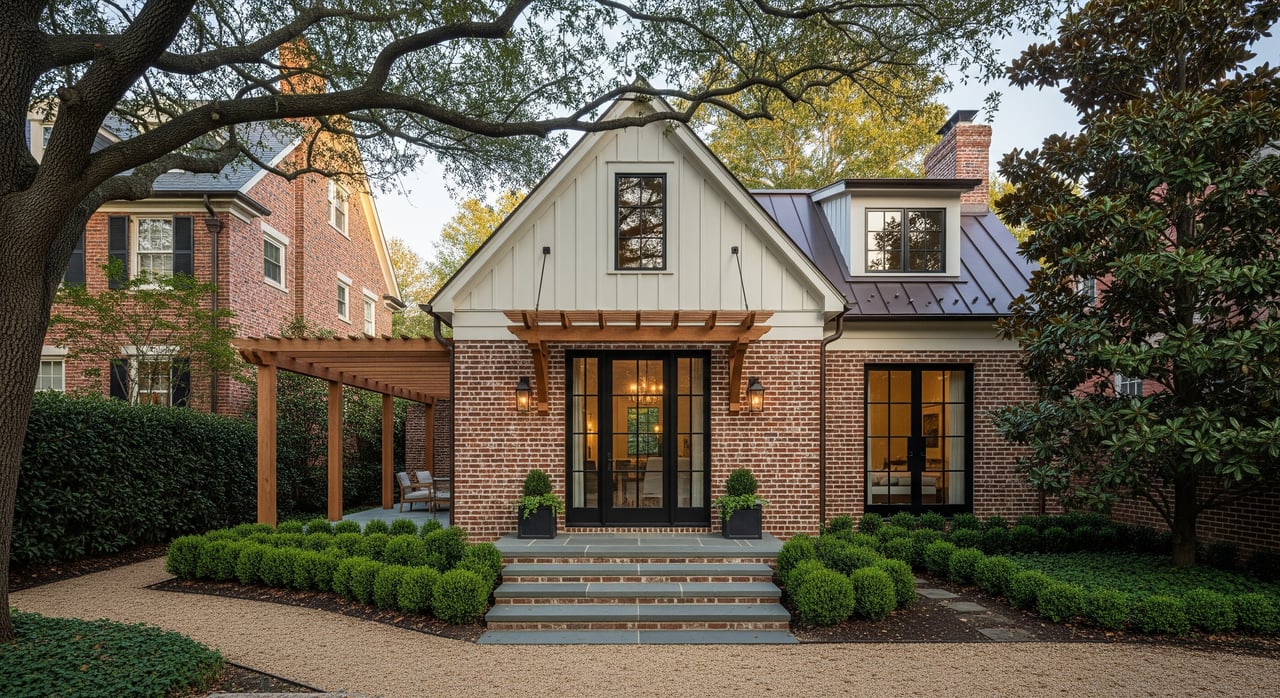
An accessory dwelling unit is a smaller, independent home on the same lot as your main residence. In Alexandria, this can be a basement or attic conversion, an attached addition, or a detached backyard cottage or converted garage. Your specific options depend on your parcel’s zoning, any overlays, and building code requirements.
Before you sketch plans, confirm with the City of Alexandria Department of Planning and Zoning that your lot and zoning district allow the type of ADU you have in mind. Rules can change, so always verify current standards directly with City staff.
Zoning checks to do first
To quickly assess feasibility, confirm the following with Planning and Zoning for your exact address:
- Whether ADUs are permitted for your zoning district and which types are allowed (interior, attached, detached).
- Any owner-occupancy requirements and the maximum number of ADUs per lot.
- Size limits, height, setbacks, lot coverage, and floor-area implications for accessory structures.
- Parking requirements or possible reductions based on transit access.
- Whether separate utility meters or connections are allowed or required.
- Short-term rental rules that may limit STR use of an ADU.
- Any applicable fees or utility connection charges.
- Overlay constraints such as historic districts, floodplains, or tree protection.
- Private neighborhood covenants or HOA rules that may restrict ADUs even if zoning allows them.
Historic districts and design review in Old Town
If your property is in a historic district, exterior changes visible from the public way can trigger design review. The Historic Preservation Office and the Historic Preservation Review Board may need to sign off on your design, materials, rooflines, and overall compatibility with the streetscape. Early coordination with preservation staff helps you avoid redesigns and stay on schedule.
Your step-by-step permitting roadmap
Use this high-level path to keep the process moving:
1) Preliminary research
- Confirm your parcel’s zoning and any overlays.
- Check historic district status and any HOA covenants.
2) Pre-application meeting
- Meet with Planning and Zoning to review your concept and understand required approvals, reviews, and documents.
3) Design and drawings
- Prepare a site plan, floor plans, elevations, and any landscaping or parking plans. An architect or experienced design-build contractor typically leads this.
4) Zoning approvals
- Obtain zoning clearance. If you need a variance or special exception for setbacks, height, or parking, submit applications and attend hearings.
- If in a historic district, seek a Certificate of Appropriateness as required.
5) Building permits
- Submit construction drawings showing compliance with the Virginia Uniform Statewide Building Code, including structural, mechanical, plumbing, electrical, and energy code items.
6) Utility coordination
- Confirm whether separate meters or new service lines are needed for water, sewer, and electric, and coordinate with providers.
7) Inspections and construction
- Your permits must be on site. Schedule required inspections for foundation, framing, MEP systems, and final.
8) Final sign-off
- Obtain a Certificate of Occupancy before you rent or occupy the ADU.
Typical timelines
- Pre-application and zoning confirmation: about 1 to 4 weeks.
- Design and drawings: about 2 to 8 weeks depending on scope.
- Zoning review or special approvals: about 2 to 12+ weeks if hearings are needed.
- Building permit review: about 2 to 8 weeks based on complexity.
- Construction: about 2 to 8 months, with interior conversions typically faster than detached builds.
Design and construction tips for Alexandria lots
Smaller lots and historic context shape how you design an ADU here. Keep these points in mind:
Plan for tight urban sites
- Older neighborhoods can have limited rear yards and strict setbacks. Interior conversions often fit better on constrained lots.
- Protect mature trees and plan for access and staging on narrow streets.
Align with building code and comfort
- Provide safe bedroom egress, smoke and carbon monoxide alarms, and proper fire separation between units.
- Include mechanical ventilation and consider sound insulation to improve privacy.
- A separate entrance increases privacy and rental appeal.
Utilities and stormwater
- Confirm electric capacity; older homes may need panel upgrades or a subpanel for the ADU.
- Plan water and sewer routing early. Most of Alexandria is on municipal sewer, but separate connections or fees may apply.
- New impervious surfaces can trigger stormwater rules, so locate downspouts and drainage carefully.
Understand cost drivers
- Interior conversions are usually most cost-effective; new detached units are typically the most expensive.
- Foundation work, site access constraints, and separate metering can raise costs.
- In historic districts, exterior details and materials may increase budgets.
Design for market appeal
- Flexible studio and one-bedroom layouts fit most lots and renter needs.
- Prioritize privacy, natural light, storage, and durable finishes.
- In historic areas, simple, compatible massing and materials often review more smoothly.
Using an ADU for rental income
An ADU can add monthly cash flow and long-term value, but you’ll want to model the numbers carefully:
Revenue considerations
- Research current rents for similar studio and one-bedroom units in your neighborhood. Rents vary by proximity to Metro and amenities.
- Confirm whether owner-occupancy or short-term rental rules apply to your ADU.
Cost considerations
- Hard costs: construction, foundation work, utilities, and any upgrades.
- Soft costs: design fees, permits, surveys, historic review costs, and potential utility connection fees.
- Operating costs: insurance, maintenance, property management, utilities, and property taxes on the increased assessed value.
- Financing costs: interest, loan fees, and reserves.
Simple ROI framework
- Gross annual income = monthly rent × 12.
- Net operating income (NOI) = gross income − operating expenses (before debt service).
- Cash-on-cash return = (NOI − annual debt service) ÷ cash invested.
- Payback period = total project cost ÷ annual net cash flow.
Consider non-financial value too, like flexibility for multigenerational living, caregiving, or future resale appeal. For taxes, review how improvements affect assessment with the City assessor.
Fairfax County vs. City of Alexandria
If you are in nearby Fairfax County neighborhoods, such as New Alexandria, remember the rules, processes, and terminology differ from the City of Alexandria. Verify Fairfax County’s specific allowances, size and parking standards, and any owner-occupancy requirements with their planning department before proceeding. Never assume one jurisdiction’s rules apply to the other.
Questions to ask before you start
Ask Planning and Zoning
- Is an ADU permitted on my parcel, and which types are allowed?
- Are there owner-occupancy or short-term rental restrictions at this address?
- What are the size, height, setback, and lot coverage limits that apply?
- Will this project require historic preservation review?
- Are there parking requirements or possible reductions?
- What fees or utility connection charges should I expect?
- What approvals or hearings might be required and what are current timelines?
Ask contractors and designers
- Do you have ADU experience in Alexandria and, if needed, with historic review?
- What are likely cost ranges for interior, attached, and detached options on a lot like mine?
- What utility upgrades might be required?
- What permitting steps and inspections do you handle vs. what I handle?
- What is the projected schedule and major milestones?
- How will you address sound insulation, privacy, and fire separation?
Quick-start checklists
Preliminary checklist
- Confirm zoning and overlays for your parcel.
- Check historic status and HOA covenants.
- Schedule a pre-application meeting with Planning and Zoning.
- Obtain a recent property survey.
- Interview 2 to 3 local architects or design-build contractors with ADU experience.
- Build a preliminary budget and rental market snapshot.
- Outline your financing approach with a lender.
Permit and design checklist
- Prepare site plan, floor plans, elevations, and materials board if historic.
- Submit zoning and building applications; coordinate reviews.
- Engage utilities early about service and metering.
ROI checklist
- Projected rent and rent comps.
- Written contractor bids for hard and soft costs.
- Operating expense estimates and property tax impact.
- Financing terms and reserves.
- Vacancy and management assumptions.
- Calculate NOI, cash-on-cash return, and payback period.
Avoid common pitfalls
- Skipping HOA or covenant checks before design.
- Underestimating stormwater or utility upgrade costs.
- Assuming short-term rental use without confirming rules.
- Designing a detached unit that cannot meet setbacks on a small lot.
- Starting construction before permit approvals and scheduled inspections.
Your next step with a local advisor
An ADU can be a powerful way to grow living space and long-term value, but the best outcomes come from a clear plan, the right team, and early coordination with the City. If you want help weighing ROI, resale potential, and neighborhood demand in Old Town and southern Alexandria, reach out. Our boutique team pairs hyper-local insight with practical guidance so you can move forward with confidence. Connect with Joan Shannon to talk through options or request a free home valuation.
FAQs
What is an ADU in Alexandria and can I build one on my lot?
- An ADU is a smaller, independent home on the same lot as your main house; whether you can build one depends on your parcel’s zoning and any overlays, so confirm with Planning and Zoning for your exact address.
Do I need extra parking for an ADU in Alexandria?
- Parking requirements vary by zoning district and proximity to transit, and some reductions may apply; verify the standard for your parcel during pre-application review.
Can I rent my ADU as a short-term rental in Alexandria?
- Short-term rental rules are specific and can change; confirm whether your ADU can be used for short-term stays or must be rented long term.
How long does permitting and construction take for an ADU?
- A conservative estimate is about 3 to 12+ months from concept to completion, with interior conversions typically faster than detached units.
What costs should I budget for an ADU project?
- Plan for design and permit fees, construction and utility upgrades, potential historic review costs, and ongoing expenses like insurance, taxes, maintenance, and management.
How do historic district rules affect a detached ADU in Old Town?
- Exterior changes visible from the public way often require historic review and approval of design, materials, and massing, which can affect both timeline and budget.